One of the advantages of becoming a finance broker is the variety of sectors you can work within. Some brokers naturally lean towards agriculture. Others prefer commercial and retail industries. Many end up working across both.
If you’re considering joining the Rural Finance network, understanding the differences between these sectors can help you decide where your experience and contacts are best suited.
The good news is there’s no single “right” route. The best sector for you is usually the one you already understand.
Understanding Agricultural Finance
Agricultural finance supports farmers, rural businesses, and land-based industries with funding for equipment, development, and long-term investment.
This sector often involves:
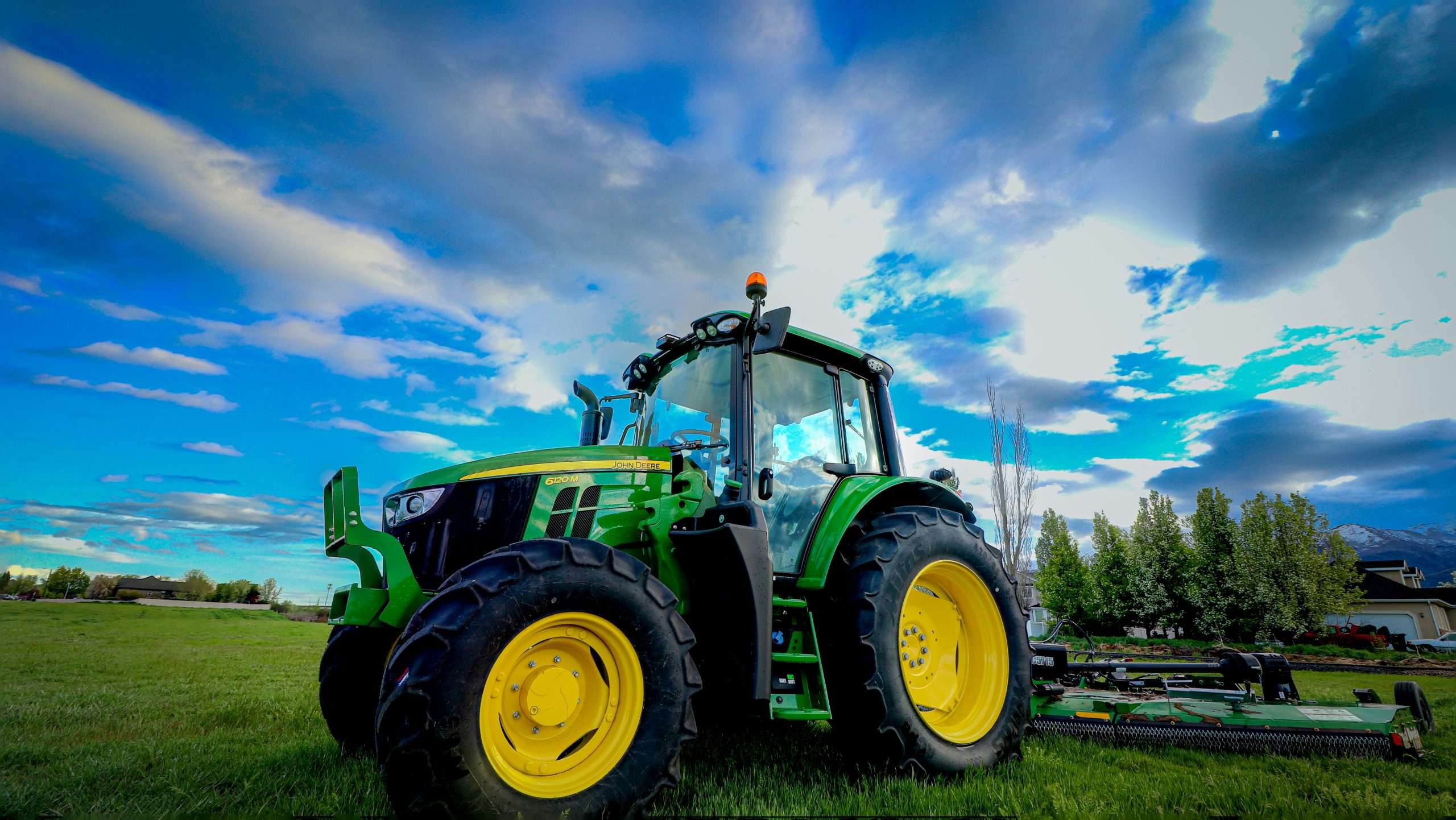
- Agricultural machinery and tractors
- Livestock and farm inputs
- Renewable energy projects
- Farm diversification
- Rural property and land purchases
Agricultural finance can be highly relationship-driven. Many rural businesses value long-term trust and prefer working with people who understand the realities of farming life.
What Makes Agricultural Finance Different?
Farming businesses often operate differently to standard commercial companies.
For example:
- Income can be seasonal
- Investment decisions may be tied to harvest cycles or livestock prices
- Equipment purchases are often long-term and high value
- Rural businesses may diversify into hospitality, renewables, or tourism
A broker who understands those pressures can add real value during finance discussions.
Understanding Commercial Finance
Commercial finance covers a much broader range of industries and funding requirements.
This can include:
- Commercial vehicles
- Construction and plant equipment
- Retail and hospitality businesses
- Commercial property
- Invoice finance and cash flow solutions
Commercial finance tends to move quickly, particularly in sectors where businesses rely on vehicles, stock, or equipment to operate.
What Makes Commercial Finance Appealing?
Commercial finance can suit brokers who:
- Already work with businesses outside agriculture
- Have experience in sales, construction, transport, or retail
- Enjoy fast-moving environments and varied client types
The breadth of sectors also means there is often a wide variety of deal sizes and funding requirements.
Which Sector Is More Profitable?
There is no simple answer to that question.
Both sectors can generate strong long-term income for brokers. In reality, earnings usually depend more on:
- Your network and relationships
- The quality of your client base
- Your consistency over time
- The value and volume of deals introduced
Some brokers focus entirely on one sector. Others work across multiple industries depending on their background.
The Advantage of Existing Industry Knowledge
Most successful brokers build around sectors they already understand.
For example:
- Someone from agricultural machinery sales may naturally move into rural finance
- A construction equipment specialist may focus on plant and commercial assets
- A business advisor may work across several commercial sectors
Clients tend to trust brokers who understand their world.
Can You Work Across Both?
Yes — and many Rural Finance brokers do.
Because Rural Finance provides access to a broad lender panel, brokers are able to support clients across:
- Agriculture
- Construction
- Commercial vehicles
- Property and land
- Business finance solutions
Over time, many brokers find their client base expands naturally through referrals and repeat business.
Why Sector Choice Matters Less Than Relationships
While understanding your sector is important, successful broking still comes down to the same core skills:
- Building trust
- Communicating clearly
- Understanding client needs
- Structuring suitable finance solutions
Whether the client runs a farm, construction company, or retail business, those fundamentals stay the same.
Key Takeaway
The best sector for you as a finance broker is usually the one where you already have experience, credibility, and relationships.
Agricultural finance offers strong long-term relationships within rural industries, while commercial finance provides broad opportunities across multiple business sectors.
With Rural Finance, you don’t need to choose immediately. The structure, lender access, and support are already in place to help you develop the areas that suit you best.
Interested in Becoming a Broker?
If you have at least three years’ commercial and financial experience and are considering the next step, we’d be happy to discuss how the Rural Finance network works.